
What schools notice afterwards
- More meaningful conversations
- Greater awareness of stereotypes
- Increased empathy between students
- Practical tools for respectful behaviour
See life through someone else’s eyes.
Building empathy. Challenging perspectives. Creating connection.
What if students could experience inequality, rather than just learn about it? Through the Birth Game, students step into different starting points in life, explore how circumstances shape opportunities and discover the power of empathy and belonging.
Play. Experience. Reflect. Understand.
 Proud member of FOBISIA

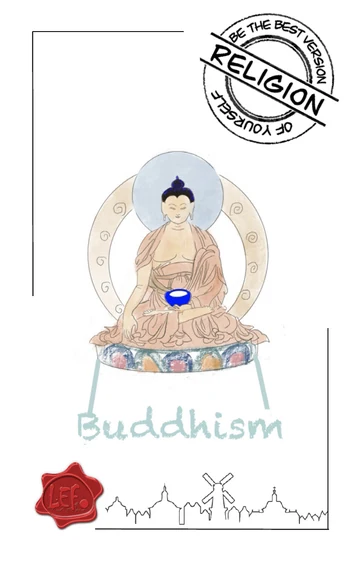
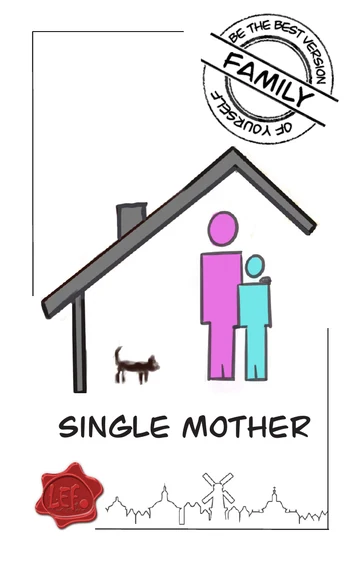
A one-minute look: what the Birth Game is, how it feels in the classroom, and what your school gets.
Every school wants students who feel they belong.
Yet you can’t teach empathy from a slide.
None of us chose the cards we were born with.
All of us can choose how we treat each other.
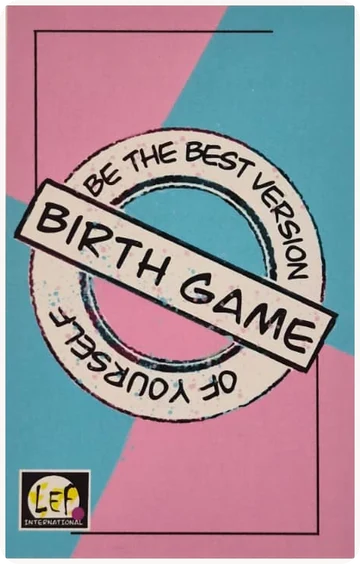
A hands-on card game that teaches empathy and equality in the classroom.
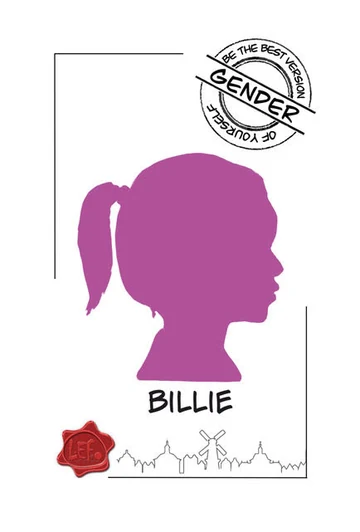
Receive a character with a unique background, opportunities and challenges.
Navigate education, family circumstances, social expectations and unexpected obstacles.
Discover how different starting points shape people's opportunities and outcomes.
Challenge assumptions and discuss experiences in a safe, structured environment.
Most students can define discrimination.
Far fewer have experienced how chance and circumstances shape opportunities.
The Birth Game turns abstract concepts into lived experience.
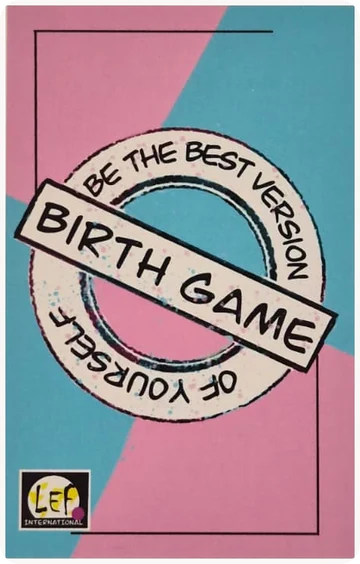
"When students are free to be who they are, they grow into the best version of themselves."
Your team plays the game and learns to lead it with confidence.
Includes both a primary version (ages 8 to 12) and a secondary version for teens and adults.
Ready-to-use lessons, safeguarding guidance, and a human rights link for every topic.
Builds core Social and Emotional Learning skills like empathy, perspective-taking and respect.
Experiential learning: the shift happens in the room, between real people, with no screens.
Grounded in global and regional frameworks, including the UN Universal Declaration of Human Rights and the ASEAN Human Rights Declaration.
After the workshop, your own staff lead it all year round.
"I didn't realise the world is so heteronormative."
"Educational, interesting, fun. An answer to an "empty box" in our expertise."
"I'm not going to use the word "gay" to bully anymore."
"Now that I know the statistics, I pay much more conscious attention to signals."
"Good mix of personal stories and interaction. Energising!"
"This way, professional development is much more fun!"
What began in 2014 as Stichting Schiedams LEF, founded by Dutch educators Carolien Kruijs and Sandy Kardolus, was born from a necessity: the lack of hands-on tools to truly teach belonging. With Marieke de Zeeuw, co-founder of LEF International, the proven method is now available to international schools worldwide.
 Proud member of FOBISIAConnecting directly with British international schools across Asia.
"Well-designed, effective, and impressively simple, promotes empathy through lived experience."
There are two versions. Birth Game Junior is for primary students. Birth Game Original, the secondary version, is for teens and adults.
A 2 hour Birth Game workshop, the Birth Game itself and the facilitator manual. After the workshop, your own staff can lead the game all year round. See pricing.
The teacher workshop prepares your team. Staff play the game themselves and learn to lead it with confidence. The manual has ready-to-use lessons and safeguarding guidance.
No. The Birth Game is completely screen-free. It is experiential learning (learning by doing): the shift happens in the room, between real people.
Yes, by design. Students never have to share their own story. Every session starts with a class agreement on respect, and the manual explains how to handle unkind comments and when to follow your school's safeguarding procedure.
It supports PSHE, SEL (Social and Emotional Learning) and the IB Primary and Middle Years Programmes (PYP and MYP). See curriculum fit.
Book a workshop. Tell us about your school, your students and your wellbeing plans, and we will plan the workshop with you.